
Get Healthy!
- Posted January 25, 2026
NIH Ends Funding for Research Using Human Fetal Tissue
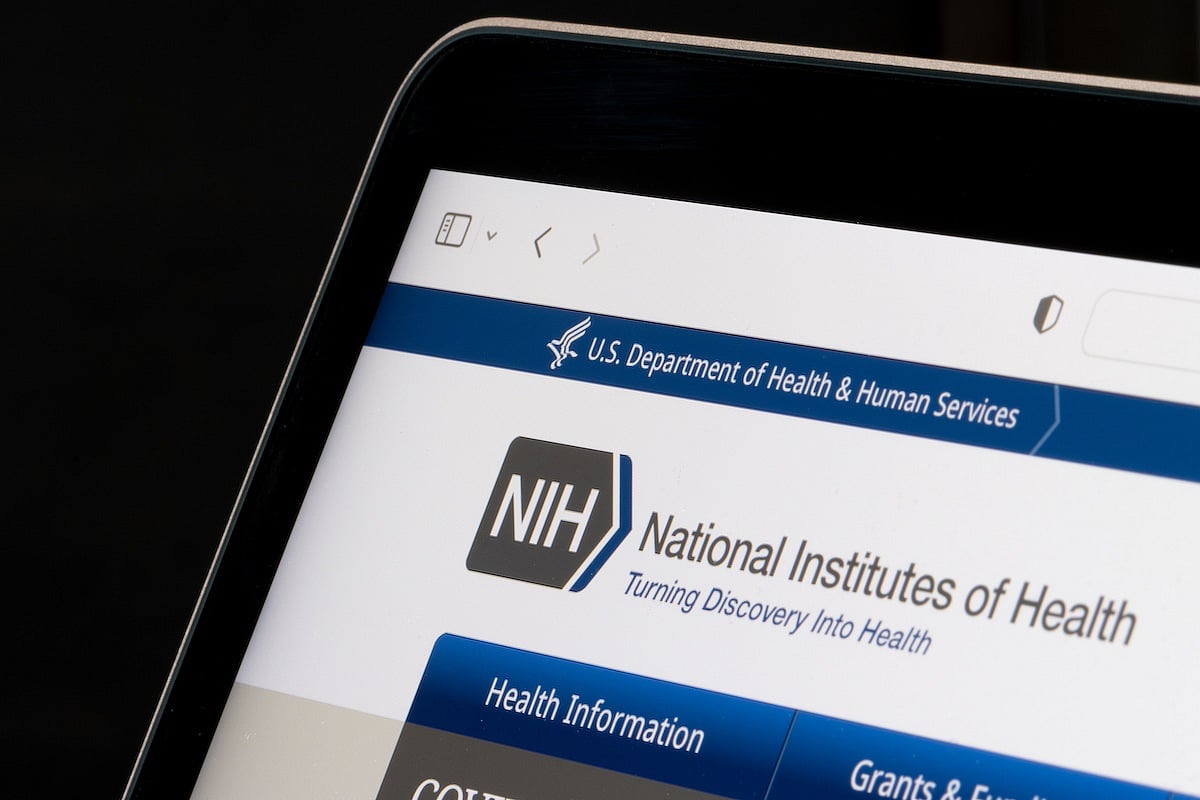
The National Institutes of Health (NIH) said that it will stop funding all research that uses human fetal tissue, ending support for studies both inside and outside the agency.
In a statement, the NIH said it will no longer fund “grants, cooperative agreements, other transaction awards and research and development contracts” that involve human fetal tissue.
“NIH will no longer support research using human fetal tissue,” it said.
The move revives a policy put in place in June 2019 during President Donald Trump’s first term. The earlier ban shut down all fetal tissue research at the NIH and led to most outside funding requests being denied.
Former President Joe Biden reversed the policy in 2021, allowing researchers to once again receive federal support for this work.
The NIH did not immediately respond to requests from The New York Times for more details about how the change will affect ongoing research.
NIH has defined human fetal tissue as tissue or cells obtained from a dead embryo or fetus after a spontaneous or induced abortion or stillbirth, according to the UC Irvine Office of Research.
Human fetal tissue has long been used to study serious diseases and test new treatments. Scientists have relied on it to research cancer, HIV, Parkinson’s disease, blindness, birth defects and more.
It has also played a role in developing medications for conditions such as rheumatoid arthritis, cystic fibrosis and hemophilia. Cells derived from fetal tissue are used to make vaccines, including those for rabies and hepatitis A.
Funding for fetal tissue research had already been declining, according to NIH data. In the 2024 fiscal year, the agency spent $53 million on 77 projects that used fetal tissue. That was down from $115 million in 2018.
NIH Director Dr. Jay Bhattacharya said the agency plans to invest more in newer research tools that could replace the need for fetal tissue.
“NIH is pushing American biomedical science into the 21st century,” he said in a statement. “This decision is about advancing science by investing in breakthrough technologies more capable of modeling human health and disease.”
These alternatives include computer-based models and lab-grown organoids, which are mini organs created from a patient’s own cells and used to study disease.
Still, many scientists say fetal tissue cannot yet be fully replaced.
“Human fetal tissue research has been indispensable to biomedical progress and remains the gold standard for revealing how human cells and organs form,” said Tyler Lamb, director of policy for the International Society for Stem Cell Research.
More information
The AMA Code of Medical Ethics has more on fetal tissue research.
SOURCE: The New York Times, Jan. 22, 2026
